
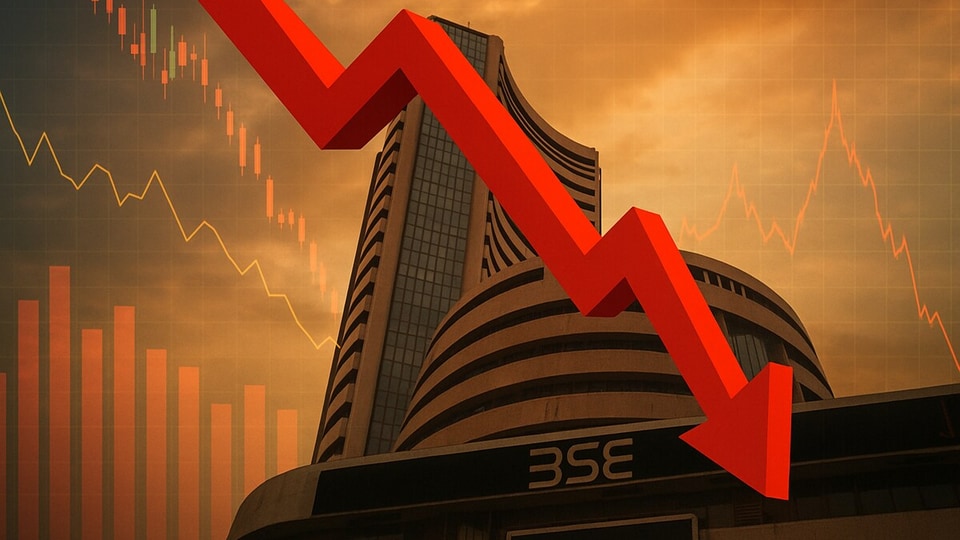
NEW DELHI: Indian equity markets witnessed a sharp decline on Tuesday as benchmark indices ended the trading session significantly lower, reflecting weak global cues and cautious investor sentiment. Heavy selling pressure across several sectors pushed the markets down, with both major indices registering notable losses.
The BSE Sensex fell by more than 1,100 points, while the Nifty 50 dropped below the 24,500 mark, marking one of the sharpest single-day declines in recent sessions. Market participants attributed the fall to global uncertainties, rising geopolitical tensions in West Asia and volatility in international financial markets.
According to market analysts, concerns related to geopolitical developments and fluctuations in global crude oil prices weighed heavily on investor confidence. The uncertainty in international markets prompted many investors to adopt a cautious approach, leading to profit booking and increased selling activity during the trading session.
Several key sectors witnessed significant losses, including banking, information technology, metal and energy stocks. Large-cap companies across these sectors faced strong selling pressure, contributing to the overall decline in the benchmark indices.
Market experts noted that global factors often play a major role in influencing the performance of domestic stock markets. Weak trends in international markets and rising geopolitical risks tend to impact investor sentiment in India as well, particularly among foreign institutional investors who closely track global developments.
Analysts also pointed out that investors remained cautious ahead of key economic indicators and global policy signals. As uncertainty increases, market participants often reduce their exposure to equities and shift towards safer investment options, which can lead to temporary market corrections.
Despite the sharp fall, financial experts emphasized that such corrections are not uncommon in equity markets and are often part of normal market cycles. They said that the broader fundamentals of the Indian economy remain stable, supported by steady economic growth, improving infrastructure and continued policy reforms.
Experts believe that the market may continue to experience volatility in the short term as investors monitor global developments, crude oil price movements and economic data. These factors are expected to influence investor sentiment and trading patterns in the coming days.
Financial advisors have advised investors to remain patient and avoid making impulsive decisions during periods of market volatility. Long-term investors, they said, should focus on maintaining diversified portfolios and investment discipline rather than reacting to short-term fluctuations.
Historically, the Indian stock market has shown resilience and has recovered from similar phases of volatility. Market observers believe that stability may gradually return once global uncertainties ease and investor confidence improves.
For now, investors and market participants will continue to closely watch international developments and domestic economic signals that could shape the direction of the markets in the near future.



- Advertisement -