
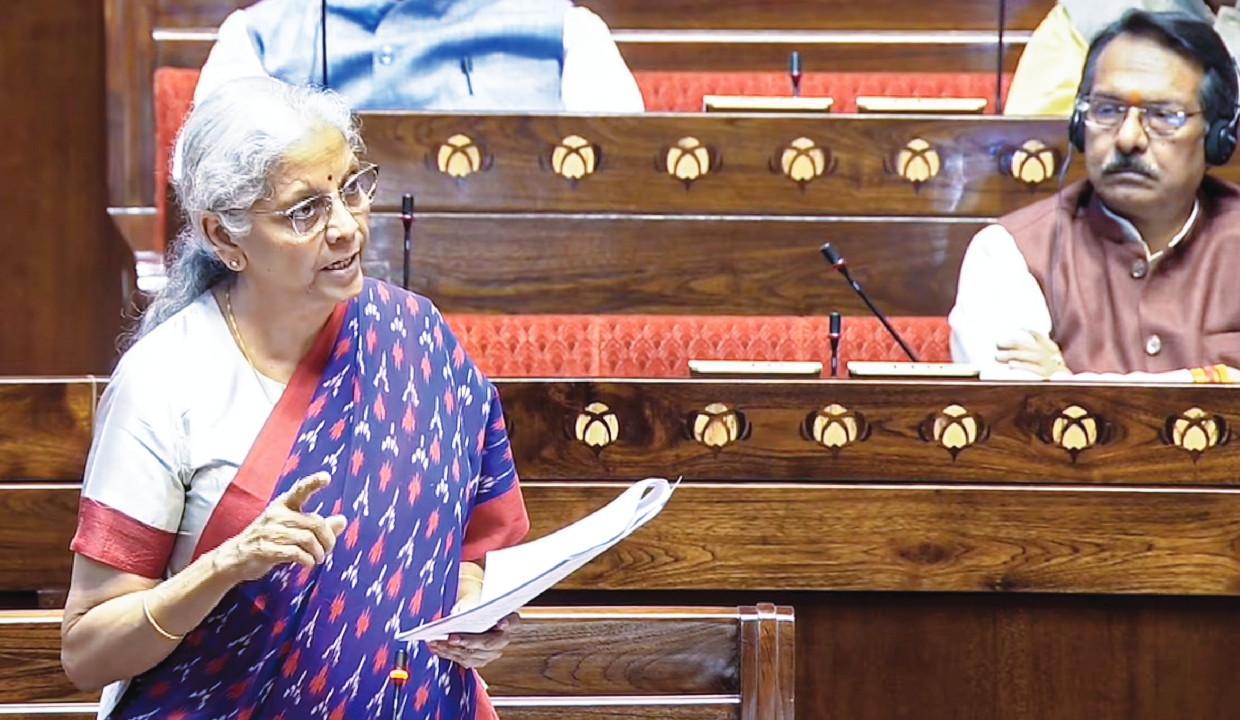
New Delhi: The government has set an ambitious target of achieving universal health insurance coverage by 2033, Finance Minister Nirmala Sitharaman told the Rajya Sabha, highlighting rapid health insurance in India expansion alongside a series of reforms aimed at improving access and affordability.
Describing insurance as a “priority sector,” Sitharaman said the government is working to ensure that every citizen is brought under some form of financial health protection over the next decade.
Coverage Expands as Market Grows
India’s insurance sector has seen steady growth, with coverage extending to nearly 58 crore lives in 2024–25. The overall market size reached ₹1,17,505 crore, reflecting rising demand for health protection products.
Public sector insurers continue to anchor the system, while private companies and standalone health insurers are driving innovation and expanding reach. Together, they are contributing to sustained insurance sector growth, even as the government pushes for wider inclusion.
Push for Deeper Rural Reach
A significant portion of the government’s strategy focuses on improving insurance penetration in rural and underserved areas. Recent changes to foreign direct investment (FDI) norms are expected to bring in additional capital and expertise.
At the same time, new IRDAI regulations aim to simplify insurance products, encourage digital distribution, and make policies easier to access. Officials say these steps are designed to close the urban-rural gap in insurance coverage.
Affordability Measures in Focus
Affordability remains a key concern in expanding coverage. Sitharaman pointed to measures such as GST exemptions on individual health insurance premiums, which are intended to lower costs for policyholders.
Government-backed schemes, including the Pradhan Mantri Jeevan Jyoti Bima Yojana, continue to provide low-cost coverage options for economically weaker sections, ensuring that basic protection is within reach for the poorest households.
Ayushman Bharat Sees Wider Coverage
The government’s flagship Ayushman Bharat scheme remains central to its health insurance strategy. Under the Pradhan Mantri Jan Arogya Yojana (PM-JAY), coverage has been expanded, including to senior citizens.
Millions of health cards have already been issued under the programme, enabling beneficiaries to access cashless treatment at empanelled hospitals. The expansion is seen as a critical step toward achieving broader government health insurance goals.
Regulator Tightens Oversight
The Insurance Regulatory and Development Authority of India (IRDAI) has stepped up efforts to maintain transparency and discipline in the sector. The regulator has taken enforcement action, including penalties against companies found violating norms.
Officials say such steps are essential to building trust and ensuring fair practices in a rapidly growing market.
Gap With Global Levels Persists
Despite recent gains, India’s per capita insurance premium remains below global averages, underlining the challenges ahead. Industry experts say increasing awareness, improving product design, and targeted reforms will be key to bridging this gap.
With policy support, expanding schemes like Ayushman Bharat, and evolving IRDAI regulations, the government is betting on a steady rise in coverage. If current trends hold, India could move significantly closer to a more inclusive and resilient health insurance system by 2033.