

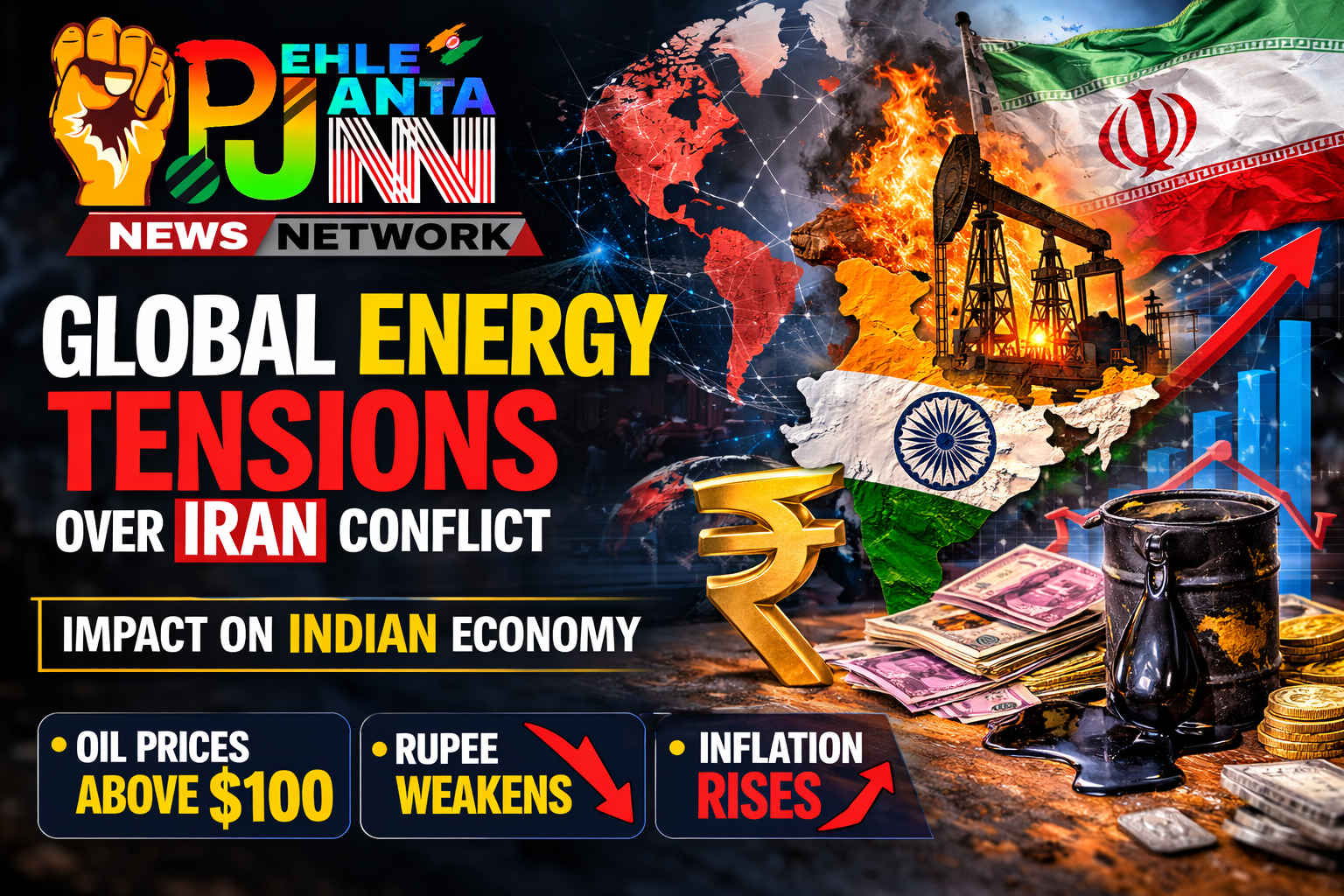
Rising global energy tensions linked to the conflict involving Iran are beginning to affect the **India**n economy, with crude oil prices climbing above $100 per barrel and the Indian Rupee facing renewed pressure in currency markets. Analysts say that disruptions in global energy supply, particularly from the Middle East, have raised concerns about rising import costs and economic uncertainty. Since India relies heavily on imported crude oil to meet its energy needs, any increase in global oil prices directly impacts the country’s fuel costs, transportation expenses, and overall economic stability.
Experts note that higher oil prices increase India’s import bill, which in turn raises demand for foreign currency to pay for energy imports. This situation often leads to weakness in the Indian rupee against the U.S. dollar. A weaker rupee makes imports more expensive, further increasing the cost of fuel and other essential commodities. Market analysts warn that if geopolitical tensions continue or escalate, the pressure on the rupee and financial markets could intensify in the coming months.
Economists also highlight the risk of rising inflation if oil prices remain elevated for a prolonged period. Fuel prices play a key role in determining transportation and logistics costs, which can influence the prices of goods and services across multiple sectors of the economy. As a result, sustained high energy prices may lead to higher consumer costs and increased inflationary pressure in India.
While policymakers and financial institutions are closely monitoring the situation, analysts believe the economic impact will largely depend on how global geopolitical developments unfold. If tensions involving Iran continue to disrupt energy supply routes, oil prices could remain high, posing further challenges for the Indian economy and its efforts to maintain price stability and growth.